The History of Avil Milk: A Malabar Story
Posted on June 11, 2026 · Updated August 2026 · by Avilum Club
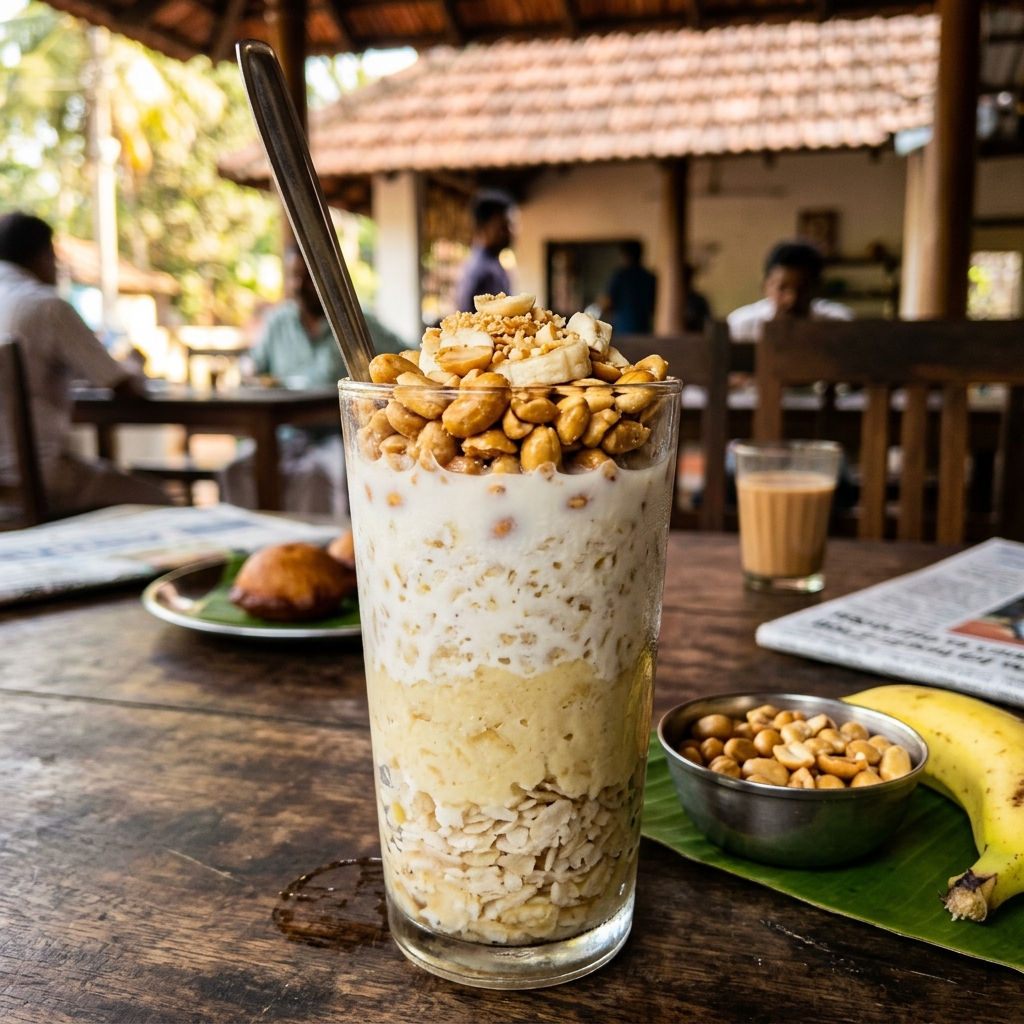
Every food culture has a signature dish that tells its story. In northern Kerala, that story belongs to Avil Milk — a humble roadside creation that grew from rural kitchens into one of Malabar's most cherished culinary symbols.
While travelers often discover Avil Milk as a refreshing street-side treat, its roots run much deeper into Kerala's social traditions, local agriculture, and even regional sports culture. (Looking for ingredients and step-by-step preparation? Read our complete guide to Avil Milk.)
Where Did Avil Milk Come From?
According to local Malabar food traditions, the origins of Avil Milk can be traced back to rural households across northern Kerala — particularly in the towns and villages of Malappuram district.
Long before modern blenders and cafe menus, flattened rice (avil in Malayalam, poha in Hindi) was one of the most accessible and practical pantry staples in Kerala. It required no firewood, no complex cooking, and could be prepared in moments. For farmers returning from paddy fields and laborers seeking quick nourishment, avil provided immediate energy and satisfying fullness.
Avilum Vellam: The Earlier Tradition
The direct predecessor of modern Avil Milk was a simple preparation known as Avilum Vellam (literally "flattened rice with water").
In many traditional Malabar households, Avilum Vellam was made by mixing thick beaten rice with cool well water, mashed ripe banana, and occasionally jaggery or a pinch of salt. Another common variation was Avilum Thengayum — raw avil mixed by hand with freshly grated coconut and melted jaggery as an evening tea snack.
Avil also carried ceremonial and community significance. In rural Malabar customs, it was common practice to serve avil mixed with water to community members who helped dig a new well or gather for collective harvest work. It was an unpretentious food of hospitality and shared labor.
How Avil Milk Evolved into a Street Food Icon
As towns across Malabar began to modernize and street food culture flourished in the late 20th century, small local vendors began experimenting with the traditional Avilum Vellam recipe.
Cold dairy milk gradually replaced water, transforming the light snack into a richer, creamier beverage. Stalls began layering the ingredients in tall clear glasses — placing ripe mashed bananas at the base, followed by roasted avil, chilled milk, crunchy roasted peanuts, and sweet raisins.
The result was neither an ordinary juice nor a smooth milkshake. It was a multi-textured experience eaten with a long spoon — giving rise to the famous description: "a full snack in a cup."
"Avil Milk wasn't created by a culinary school. It was invented on the streets of Malabar to give hardworking people a quick, affordable, and deeply satisfying meal in a glass."
Why Roasted Avil Became Essential
The single most important turning point in the evolution of Avil Milk was the introduction of specially roasted avil (often called fried avil or kizhi avil in local parlance).
Raw flattened rice quickly absorbs liquid and turns mushy. By dry-roasting thick avil until golden and crisp, stall vendors created a flake that maintained its crunchy texture even after cold milk was poured over it. This roasting process unlocked a nutty, toasted aroma that became the signature hallmark of genuine Malabar Avil Milk.
💡 Want to learn how traditional Avil Milk is layered and prepared at home? Check out our step-by-step traditional Avil Milk recipe.
Avil Milk and Malappuram: A Cultural Bond
In the food geography of Kerala, Avil Milk is inseparable from Malappuram district. Towns such as Kottakkal, Tirur, and Kondotty became famous destinations for Avil Milk lovers, each stall maintaining its own loyal following and slight variation in proportions.
Kottakkal in particular developed a legendary roadside stall culture where evening crowds gathered after office hours, college lectures, and Friday prayers. Stopping for an Avil Milk became a ritual of reconnection — catching up on local news, discussing sports, and sharing a glass with friends.
Avil Milk & Malabar's Sevens Football Culture
In Malappuram, two passions unite the community like nothing else: football and street food.
During the legendary Sevens Football tournaments, thousands of passionate fans pack muddy local grounds under temporary floodlights. During intense halftime breaks, spectators and players alike look for something fast, cold, energizing, and easy to hold — and Avil Milk emerged as the undisputed favorite.
For generations of football enthusiasts across Malappuram, the memory of nail-biting matches is intertwined with the taste of cold, crunchy Avil Milk enjoyed in the evening breeze.
From Thattukada Stalls to the Modern World
For decades, enjoying authentic Avil Milk meant standing beside a roadside thattukada in Kottakkal or Tirur. But as families from Malabar relocated across India, the Gulf countries, and beyond, they carried a longing for the flavours of home.
Recreating authentic Avil Milk outside Malabar proved difficult: sourcing the right thick-grade avil, roasting it to the precise golden crunch, and balancing the dairy solids required specialized local knowledge.
How Avilum Club Is Taking Avil Milk Beyond Malabar
Founded in Kottakkal in 2020, Avilum Club was born from a simple mission: to preserve this piece of Malabar heritage and make it accessible anywhere in the world in under 60 seconds.
Our Classic Blend Instant Avil Milk Mix packages the traditional recipe — specially roasted avil, real banana, milk solids, peanuts, and raisins — into a single travel-ready pack. All you need is cold water.
Taste Malabar's Heritage Anywhere
Authentic Kottakkal recipe. Pre-roasted avil, real banana, milk solids & nuts. Ready in 60 seconds.
₹69
🛒 Buy Classic Blend — ₹69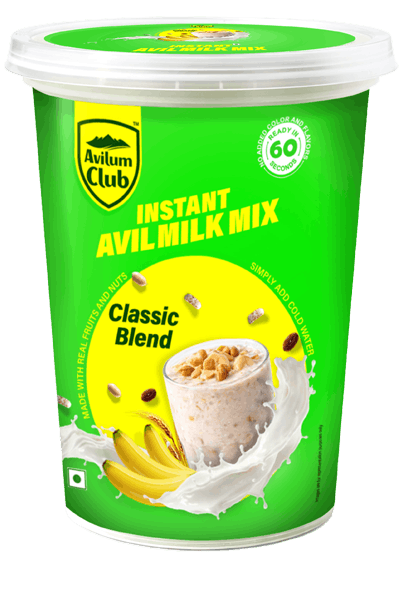
Read next: The Complete Guide to Avil Milk: Recipe & Ingredients · The Health Benefits of Avil Milk


